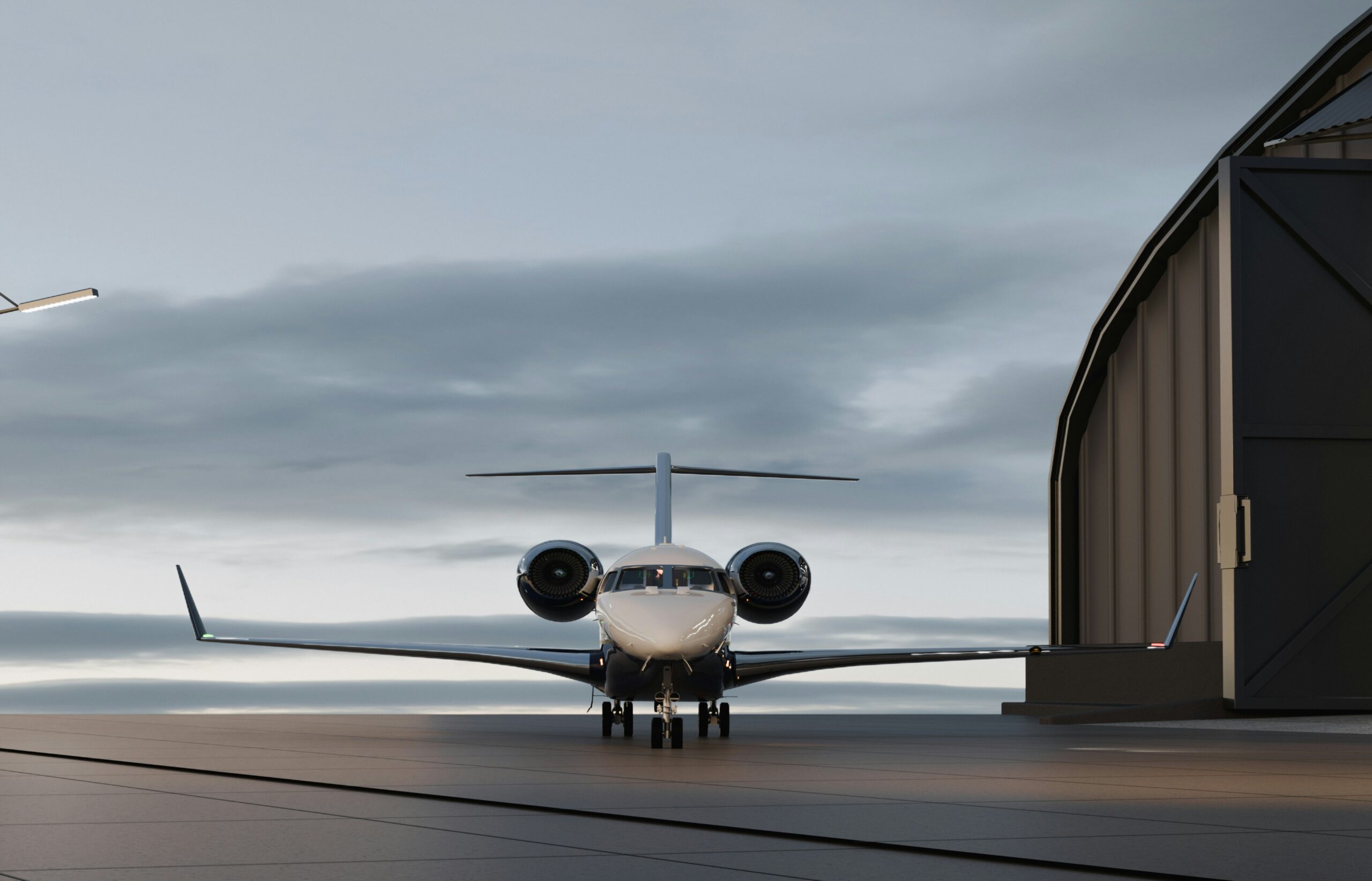
Private aviation and commercial airlines can both take travelers to the same destination, but their pricing models are completely different. Commercial airlines sell individual seats, while private charter customers typically pay for the entire aircraft. That difference explains why private travel usually costs much more at first glance. However, price alone does not tell the whole story. Group size, travel time, airport access, schedule flexibility, and productivity can all affect the real value of a trip.
The latest available U.S. government data shows that the average domestic commercial airfare was $428 in the first quarter of 2026. That figure covers a typical itinerary rather than the premium experience of first-class or last-minute travel. Private charter costs are far higher, but the gap changes when several passengers share one aircraft or when private aviation saves significant time.
Understanding the Basic Cost Difference
Commercial airlines price travel per passenger. A family of four buying $500 tickets would spend about $2,000 before optional baggage, seat, lounge, or change fees. Business-class and first-class fares can increase that total substantially, especially on international routes or when flights are booked close to departure.
Private jet pricing works differently. The customer generally pays for use of the aircraft rather than buying individual seats. One current charter pricing source lists approximate hourly costs from about $2,200 to $3,000 for light jets, $2,800 to $3,800 for midsize aircraft, and $5,000 to $8,000 for heavy jets. Taxes and other fees may increase the final quote.
Why Private Jet Pricing Varies So Much
Aircraft size is one of the biggest cost factors in private aviation. A small jet carrying a few passengers on a short regional flight generally costs much less than a heavy aircraft flying across the country. Range, passenger capacity, fuel use, crew requirements, and aircraft availability all influence pricing.
The route also matters. Private charter quotes can include repositioning, airport fees, crew expenses, fuel surcharges, taxes, and daily minimums. For example, some operators may charge for a minimum number of flight hours even when the actual trip is shorter. This means two similar flights can have noticeably different prices based on aircraft location and operating conditions.
Commercial Airlines Remain Cheaper for Most Individuals
For one or two travelers, commercial air travel almost always wins on direct cost. Airlines spread operating expenses across many passengers, allowing travelers to buy a seat for a small fraction of what it costs to operate an entire private aircraft. Economy fares remain especially difficult for private aviation to match.
Commercial travel can become more expensive when passengers choose premium cabins, buy flexible tickets, travel during peak periods, or book at the last minute. Even then, the total cost often remains below a private charter quote. Travelers focused mainly on keeping expenses low will usually find commercial airlines more practical for common routes.
Group Travel Changes the Comparison
Private aviation becomes more competitive when several passengers travel together. A private jet price normally covers the aircraft, so filling more seats can lower the effective cost per person. A $12,000 charter carrying eight passengers, for example, represents an effective aircraft cost of $1,500 per traveler before considering any additional charges.
That amount may still exceed economy airfare, but the comparison can look different against multiple last-minute business-class tickets. Families, executive teams, sports groups, and professionals traveling together may place greater value on using one aircraft. They can also avoid separating passengers across flights or paying different ticket prices.
Time Savings Can Add Financial Value
Commercial airfare does not include the value of time spent reaching a large airport, checking baggage, clearing security, waiting at the gate, making connections, or collecting luggage. These steps may add several hours to a journey, particularly when a nonstop flight is unavailable.
Private travelers can often use smaller airports closer to their starting point and destination. They may also arrive shortly before departure and board more quickly. For executives, professionals, or business owners, those saved hours may have measurable value. A private flight that looks expensive on paper can become easier to justify when it protects a full working day.
Convenience and Flexibility Carry a Premium
Commercial airlines operate according to fixed schedules. Travelers must choose from available departure times and routes, then adjust their plans around the airline. Changes can create extra fees, long waits, or missed connections, depending on ticket rules and airport conditions.
Private aviation offers far greater schedule control. Travelers can often select their departure time, choose from more airports, and create direct routes that airlines do not offer. This flexibility carries a major price premium, but it can matter when travel involves important meetings, remote destinations, multiple stops, or schedules that may change unexpectedly.
Choosing the Option That Offers Better Value
The better choice depends on why someone is traveling. A solo vacation traveler who has flexible dates will usually receive better financial value from a commercial airline. Someone traveling with a larger group, tight schedule, or complicated route may gain more from the time savings and convenience of private aviation.
Travelers should compare the complete trip rather than looking only at ticket or charter prices. Consider passenger count, ground transportation, hotel stays caused by connections, baggage fees, airport time, productivity, and schedule flexibility. Private jets rarely beat economy tickets on price alone, but they can offer strong value when time, privacy, access, and control matter just as much as money.